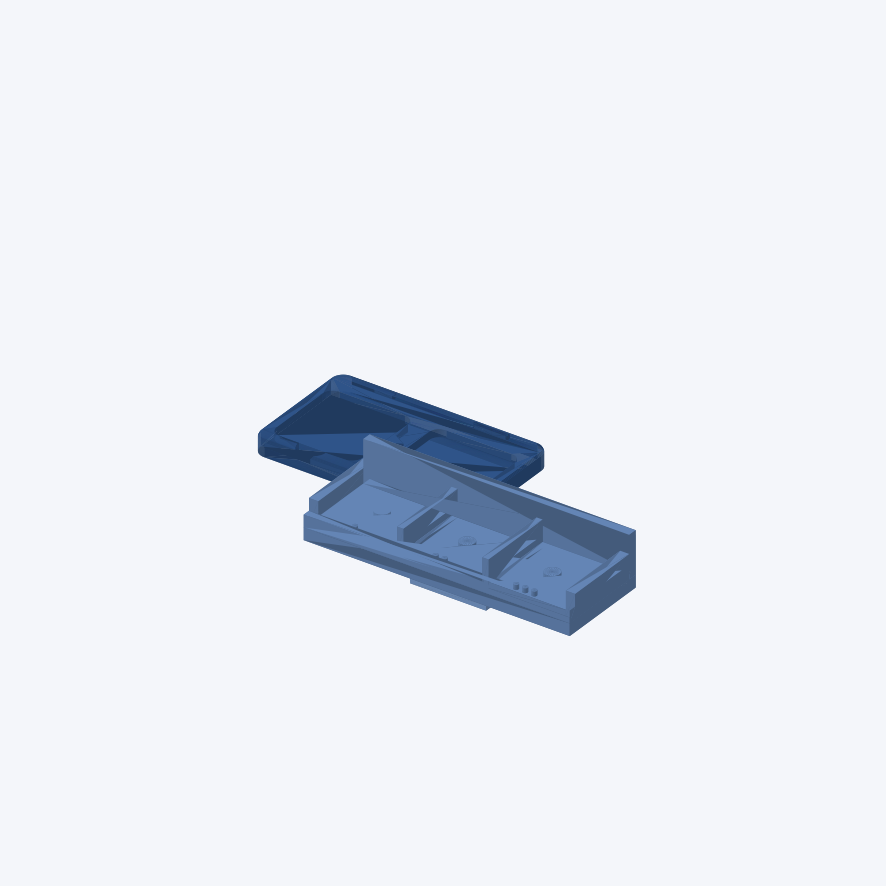
Visual schedules & routine boards
Make the next step in a routine visible and tangible.
Custom 3D printed learning and participation tools, developed from the details educators, therapists, caregivers, and families provide.
Serving Fairfax, Alexandria, Arlington, Washington, DC, Montgomery County, and Prince George’s County.
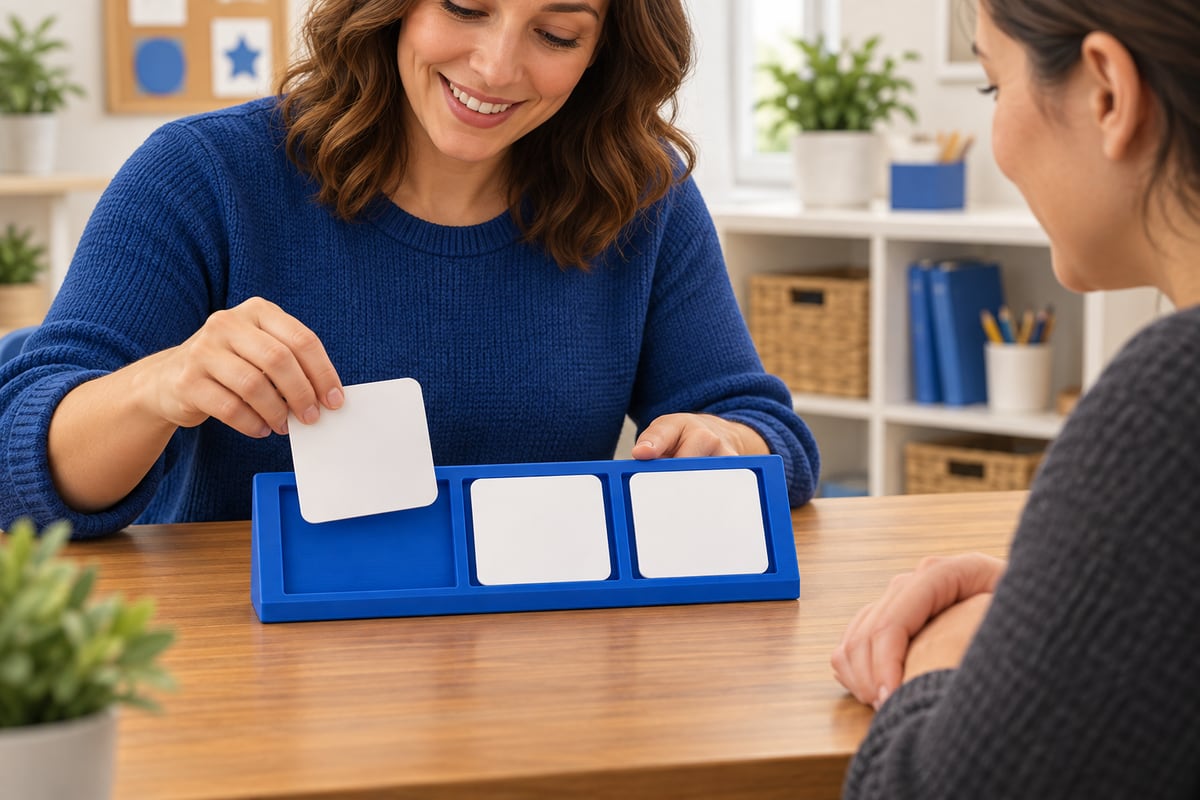
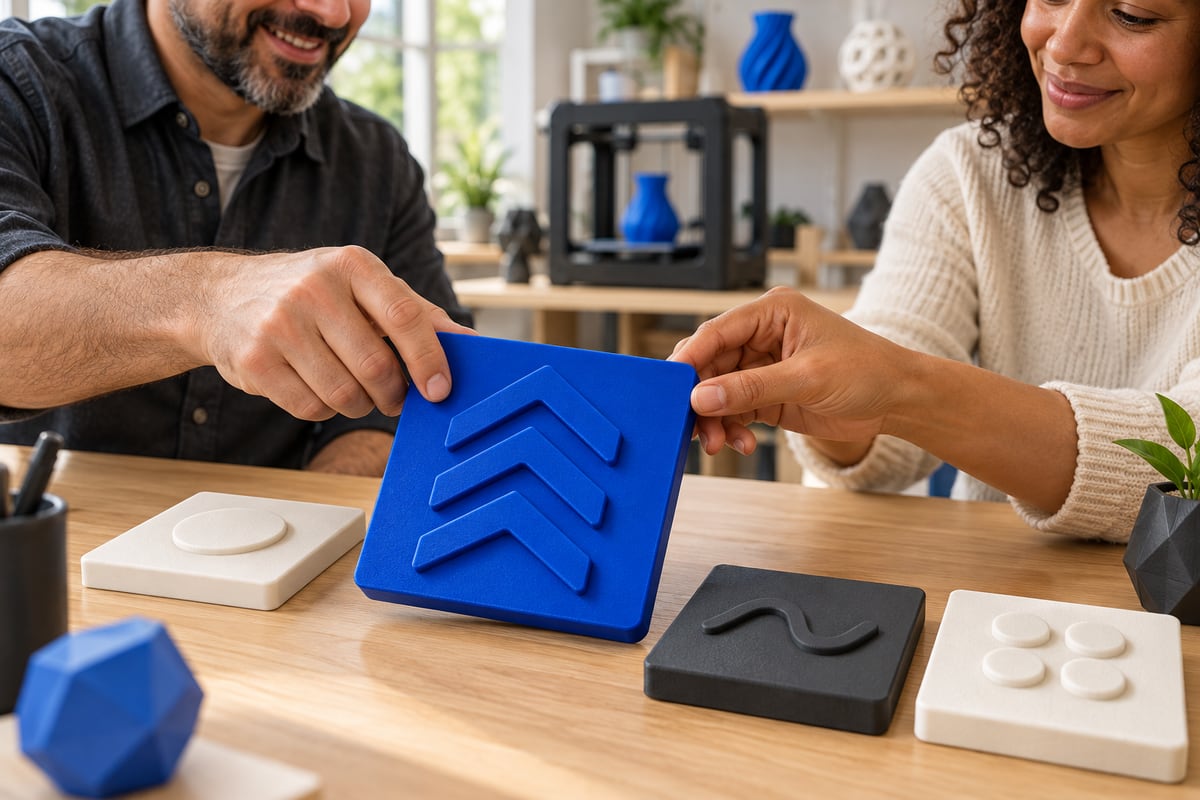
AI-generated use-case illustrationDesigned around the activity.Personalization is the starting point: the task, materials, dimensions, and review process shape each design.
Actual model previews paired with AI-generated use-case illustrations.
Make the next step in a routine visible and tangible.
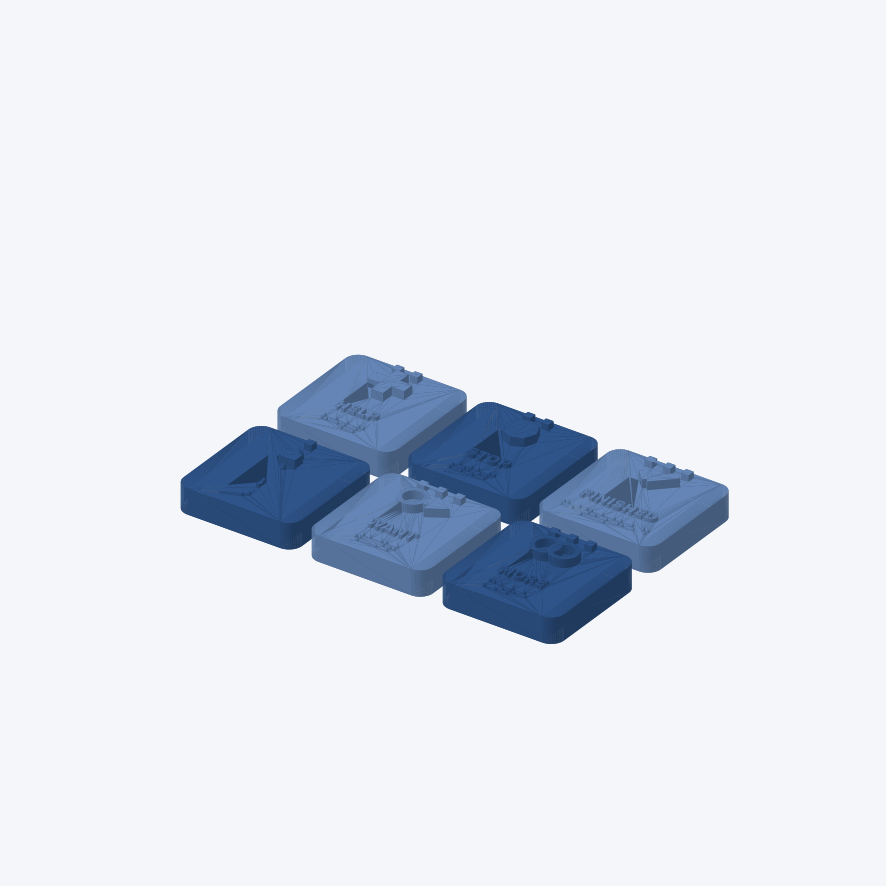
Put a team-selected word or choice into a physical format.
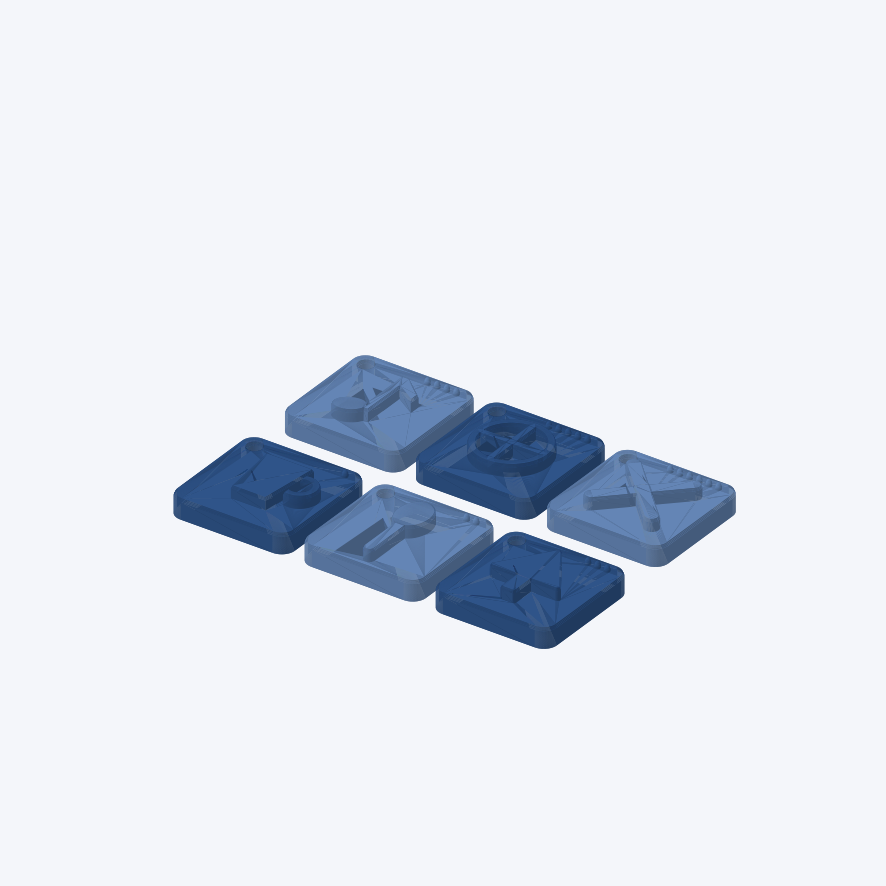
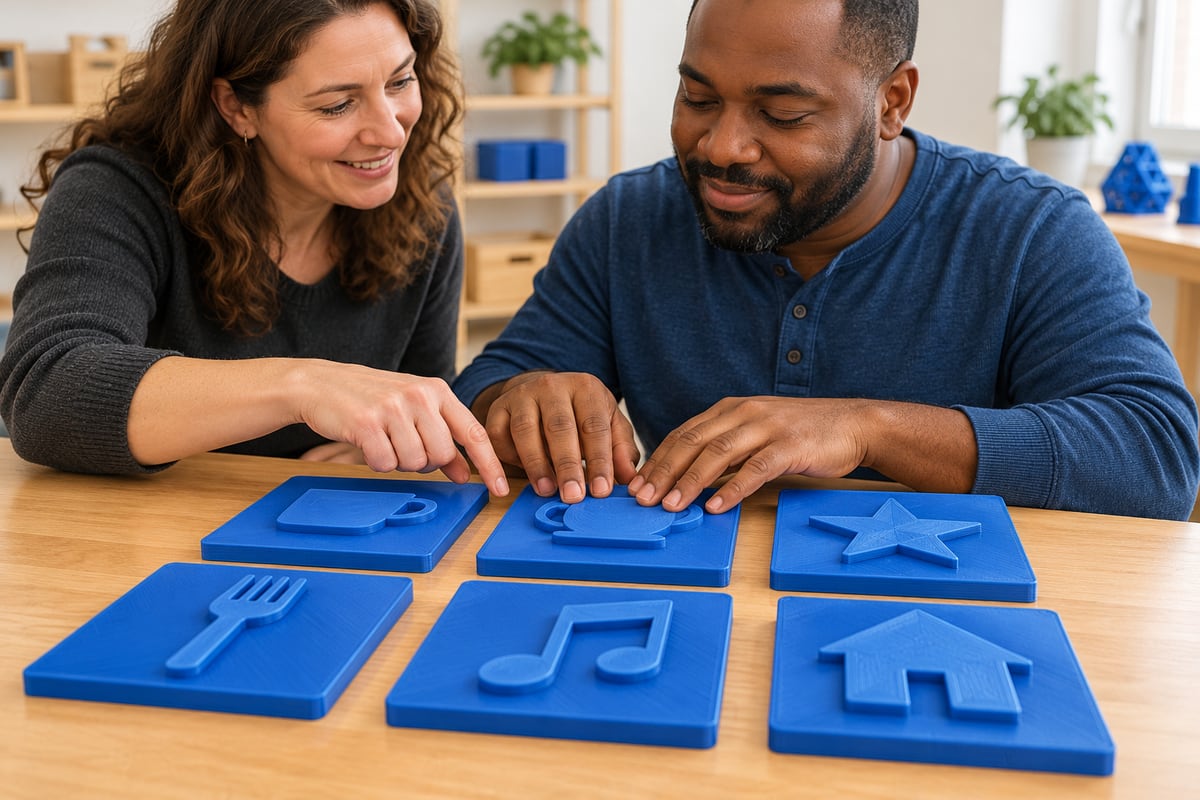
Explore raised symbols through touch for a defined activity.
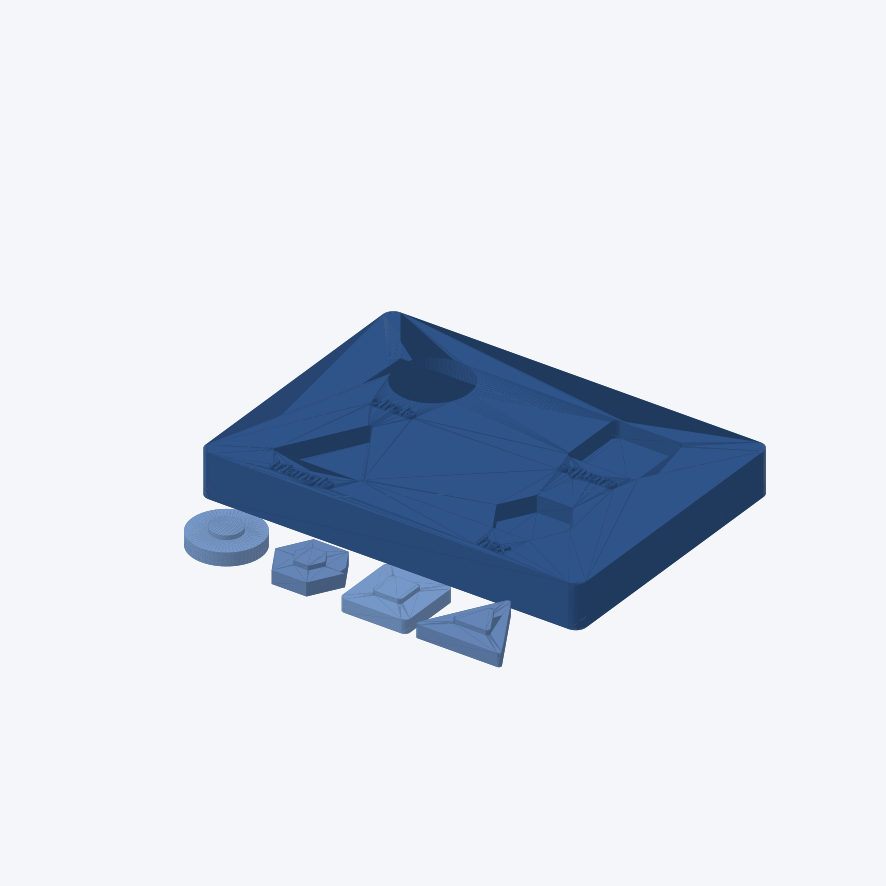
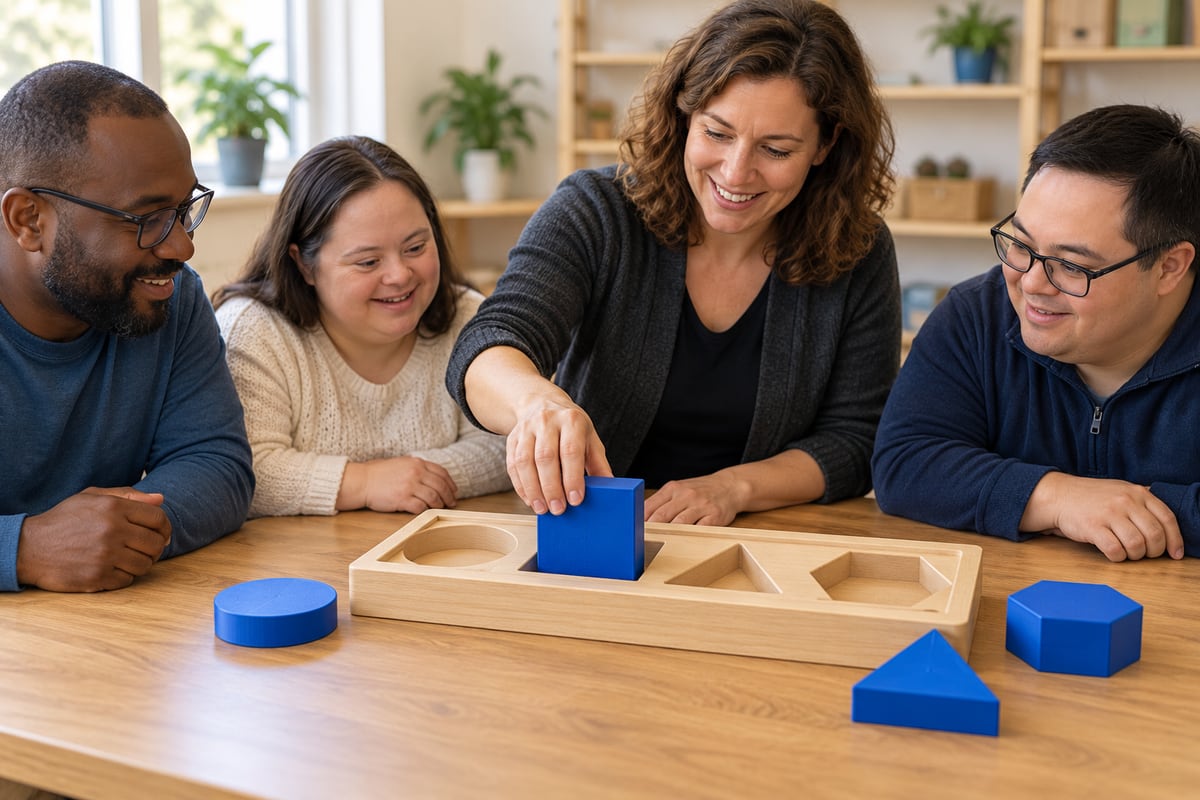
Match a piece to its shape or organize a hands-on sorting task.
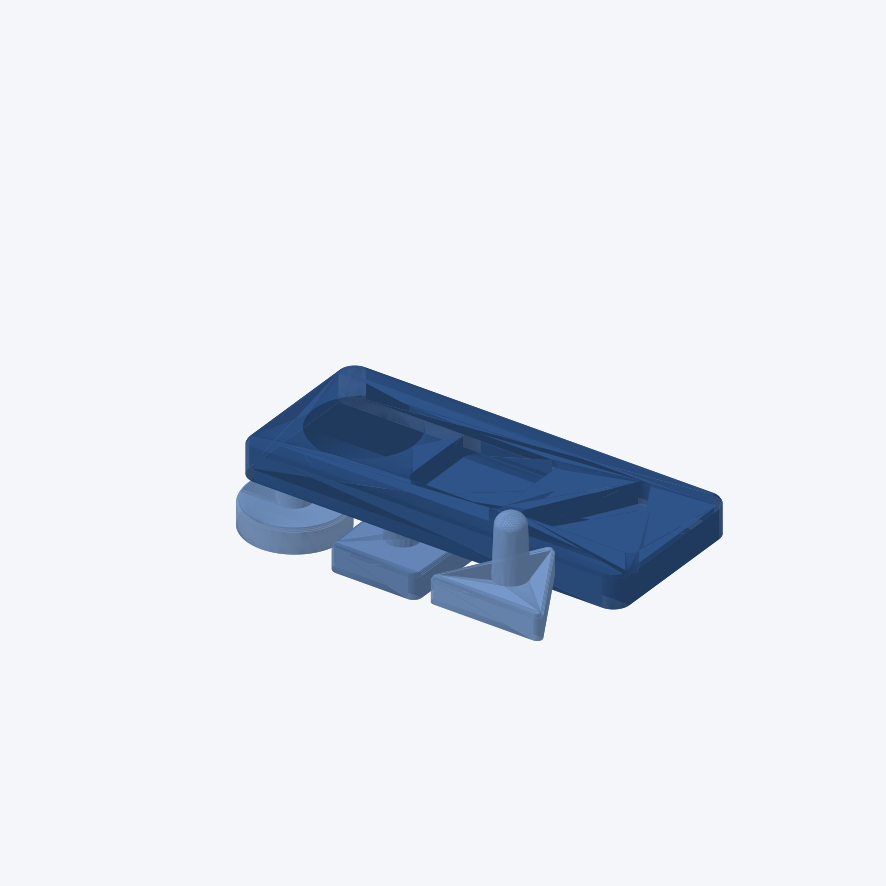
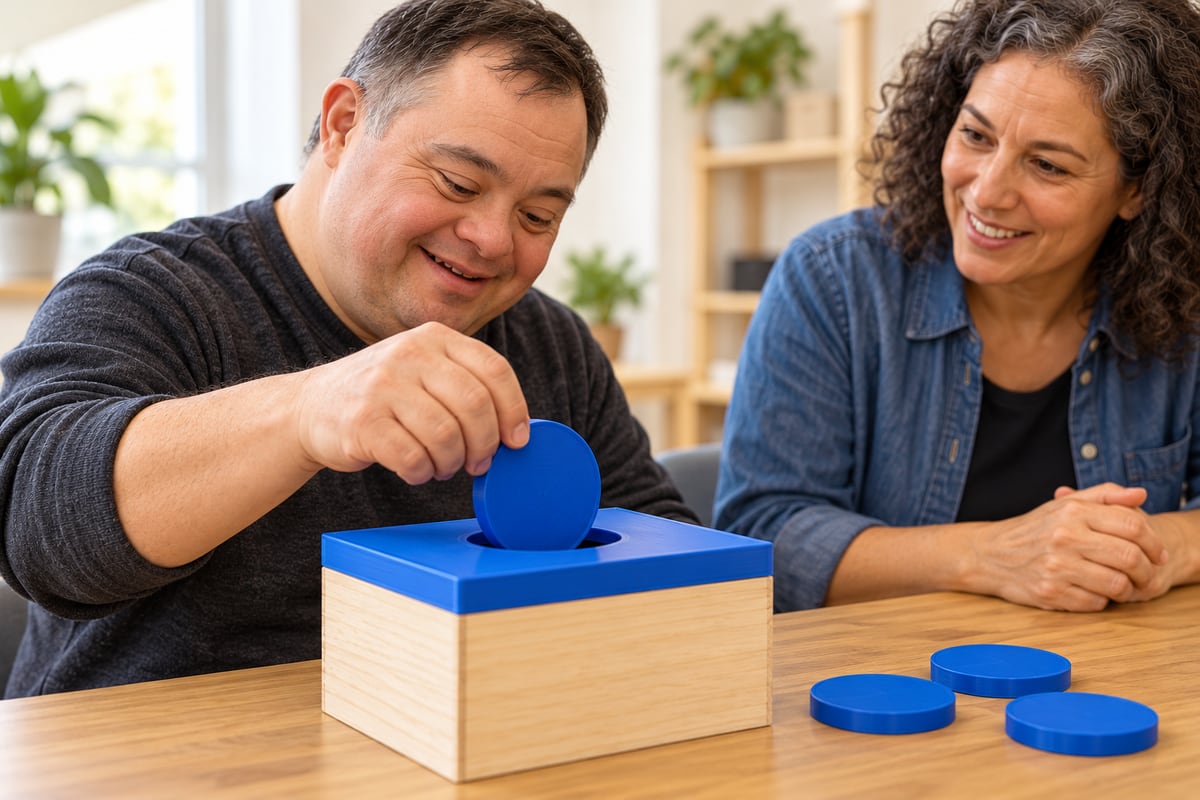
Create a clear put-in, match, or finish-and-store activity.
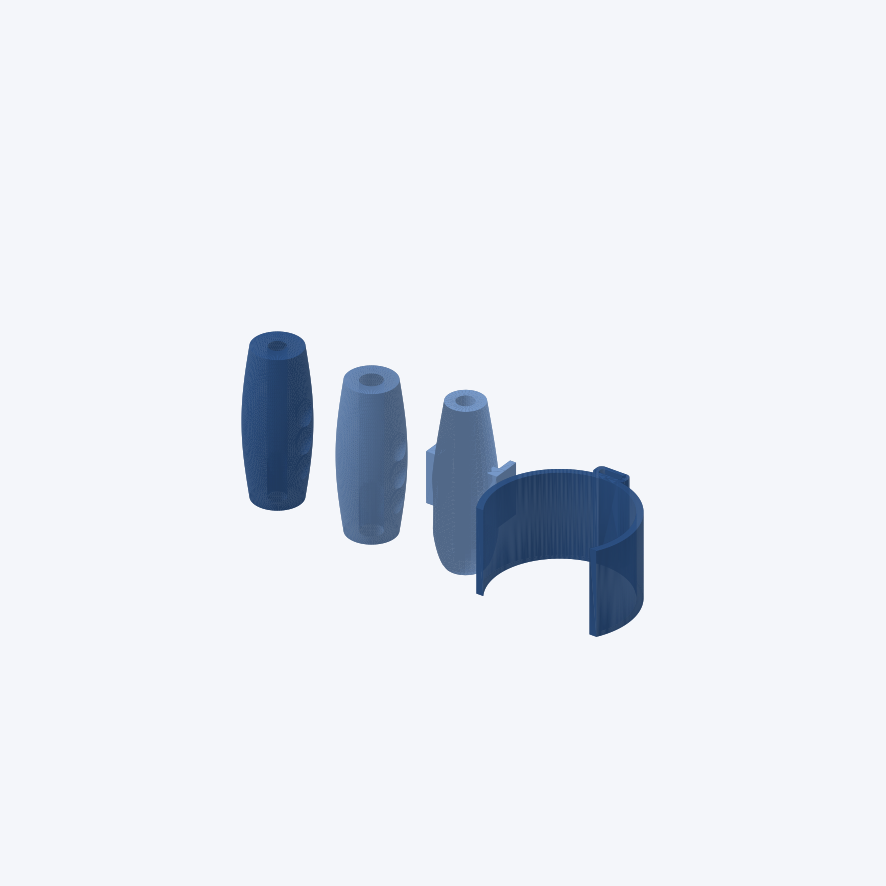
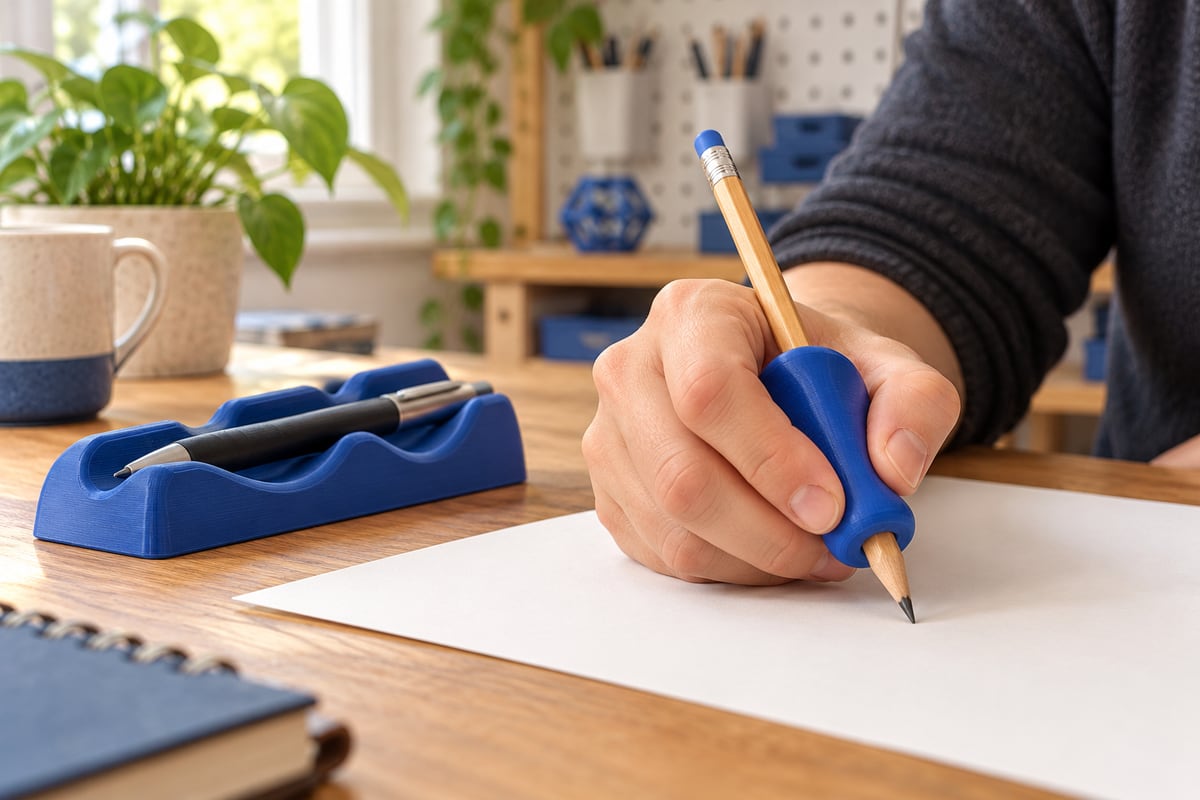
Explore a different way to hold, park, or organize a familiar tool.
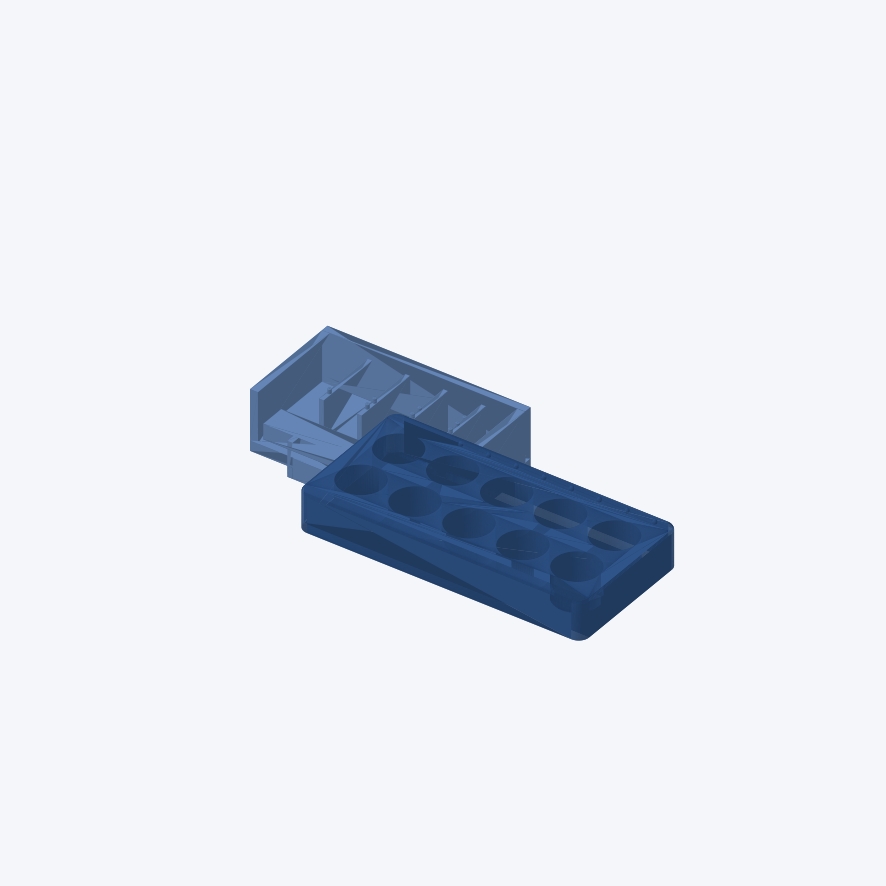
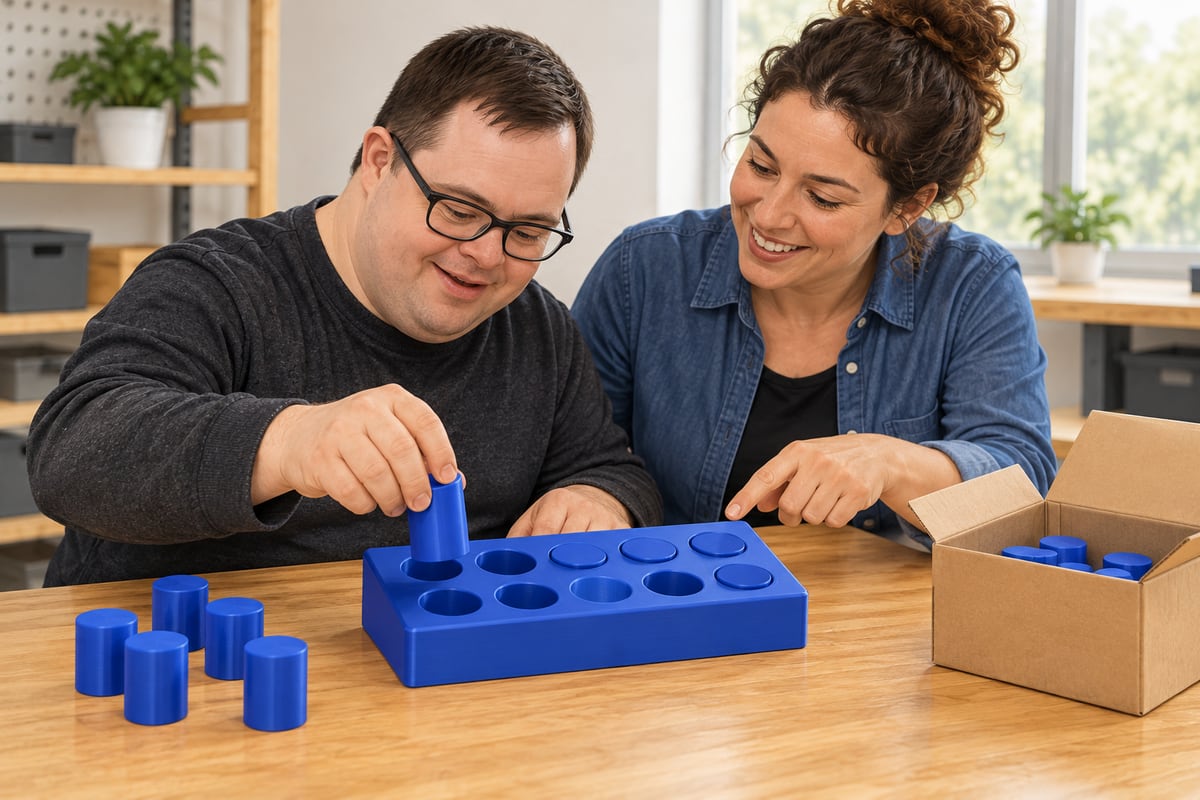
Give a specific work sequence a repeatable physical layout.
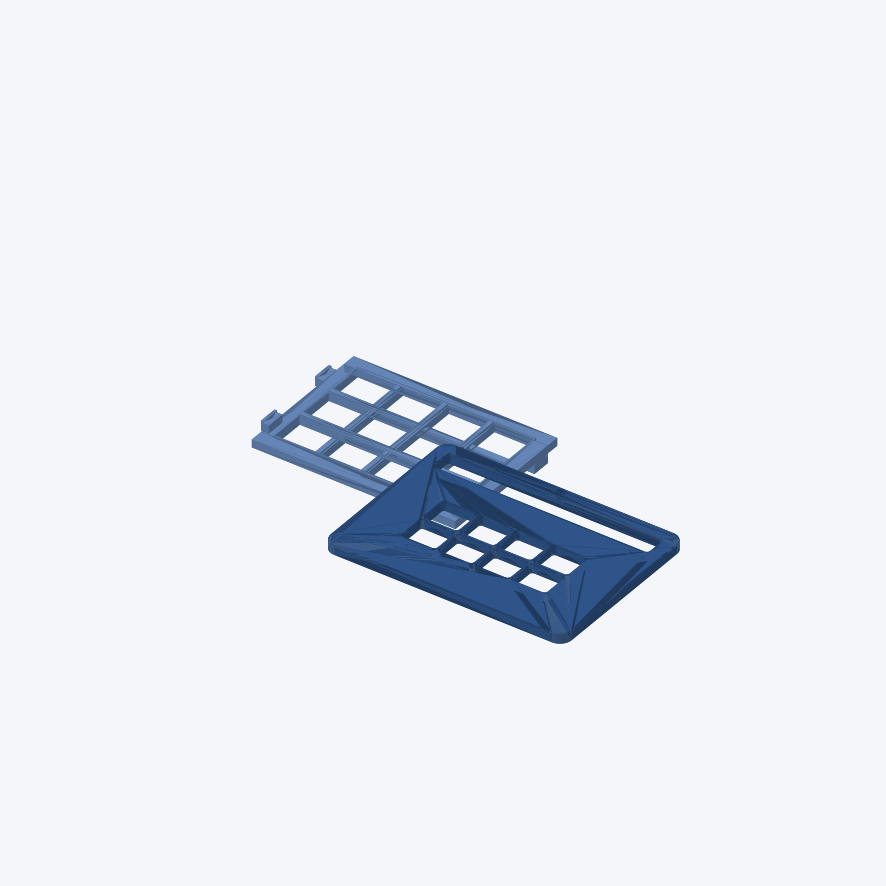
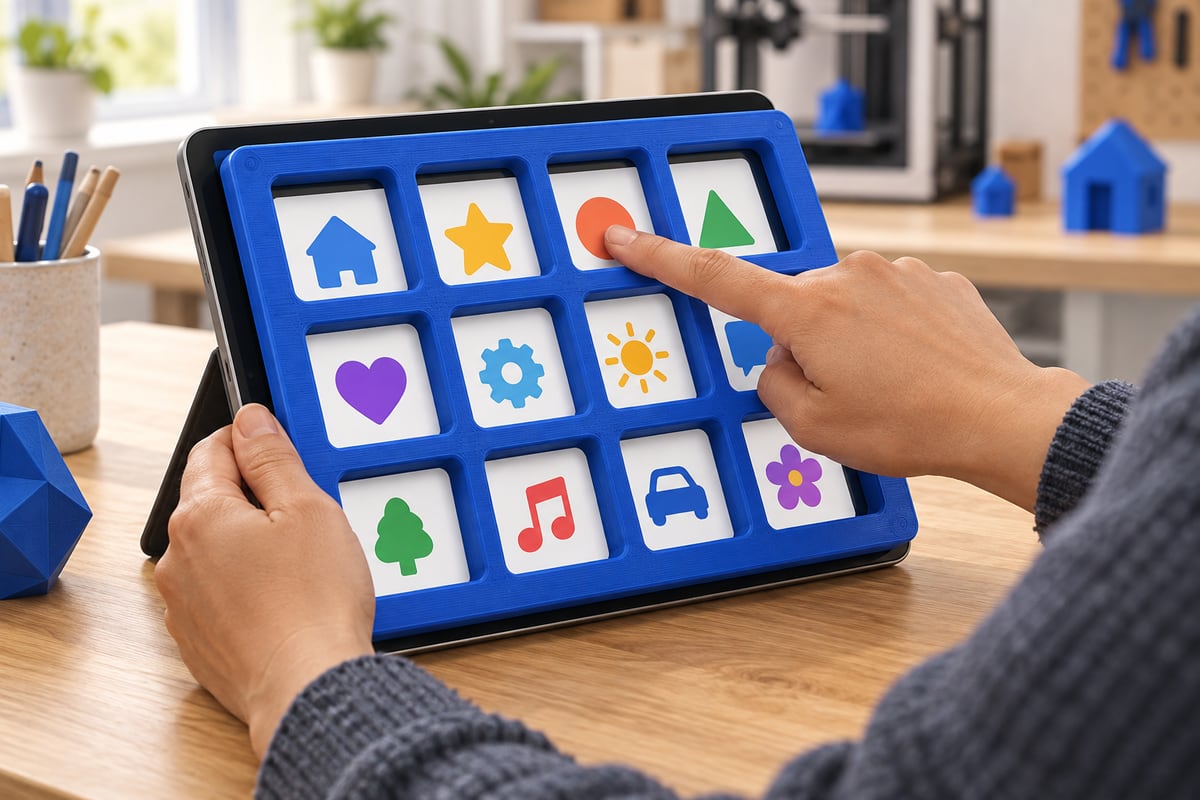
Explore a device-specific overlay that separates touch targets.
Concepts shown for a design conversation. Illustrations are not customer photos or evidence of suitability. Swipe, use the arrows, or use left/right keys.
Estimated starting prices in USD for one standard-size print or the set named below. Every project is reviewed before production. Custom quote available.
Make the next step in a routine visible and tangible.
From $10 · custom quote available
| Product / print | From |
|---|---|
| First/then board | $35 |
| Schedule section | $25 |
| Routine board | $35 |
| Visual schedule dock rail | $30 |
| Tangible symbol or routine token | $10 |
| Blank marker or plain tile | $10 |
| Board + small starter tile set | $55 |
Included variants: First/then board (two variants), Schedule section 2, Schedule section 3, Routine board, Visual schedule dock rail, Tangible schedule symbol tile, Circle routine token, Triangle routine token, Blank marker tile, Blank plain tile.
The learner and support team select the symbols, sequence and attachment. Check tile retention and small-part risk.
Put a team-selected word or choice into a physical format.
From $10 · custom quote available
| Product / print | From |
|---|---|
| Single-word tile (any listed word) | $10 |
| Six-word tile set | $45 |
Included variants: all, can, different, do, finished, get, go, good, he, help, here, I, in, it, like, look, make, more, not, on, same, she, some, stop, that, turn, up, want, what, when, where, who, why, you.
34 vocabulary variants share the per-tile price. Vocabulary is selected with the learner and communication team; this is not a complete AAC system.
Request a custom quote →Explore raised symbols through touch for a defined activity.
From $15 · custom quote available
| Product / print | From |
|---|---|
| Individual raised-symbol tile | $15 |
| Six-symbol tile set | $50 |
Included variants: Drink, Eat, Outside, Music, Play, All done.
Review texture, cleaning, edges, breakage and mouthing risk. The team determines whether tactile symbols suit the activity.
Match a piece to its shape or organize a hands-on sorting task.
From $10 · custom quote available
| Product / print | From |
|---|---|
| Sorting tray | $40 |
| Sorting jig | $45 |
| Individual shape piece | $10 |
| Tray + four shape pieces | $60 |
Included variants: Sorting tray, Sorting jig, Circle piece, Hexagon piece, Square piece, Triangle piece.
Set the number, size and clearance of pieces for the activity. Educator review is required before learner use.
Create a clear put-in, match, or finish-and-store activity.
From $10 · custom quote available
| Product / print | From |
|---|---|
| Shape-match tray | $40 |
| Shape piece or put-in token | $10 |
| Put-in lid | $25 |
| Small structured-work kit | $55 |
Included variants: Shape-match tray, Circle piece, Square piece, Triangle piece, Put-in token, Put-in lid.
TEACCH-inspired describes the activity format, not endorsement. The teacher specifies the task, container fit and safe piece size.
Request a custom quote →Explore a different way to hold, park, or organize a familiar tool.
From $15 · custom quote available
| Product / print | From |
|---|---|
| Desk tool rest | $25 |
| Pencil or crayon/marker grip | $15 |
| Ergonomic ADL grip | $25 |
| Utensil palm cuff prototype | $35 |
Included variants: Desk tool rest, Pencil grip (30 mm), Crayon/marker grip (30 mm), Ergonomic ADL grip, Utensil palm cuff.
Grip and cuff concepts need individual fit, material, cleaning and professional review. No medical or therapeutic outcome is promised.
Request a custom quote →Give a specific work sequence a repeatable physical layout.
From $45 · custom quote available
| Product / print | From |
|---|---|
| Vocational counting jig | $50 |
| Count-and-pack jig for 10 | $60 |
| Alignment jig | $45 |
Included variants: Vocational counting jig, Count-and-pack jig for 10, Alignment jig.
Sized to real task materials with a teacher or job coach. Review pinch points and task hazards; these are not production safety guards.
Explore a device-specific overlay that separates touch targets.
From $60 · custom quote available
| Product / print | From |
|---|---|
| 4 × 3 tablet keyguard prototype | $60 |
| iPad 10-inch 4 × 6 template prototype | $65 |
| Masked core-8 overlay prototype | $65 |
Included variants: 4 × 3 tablet keyguard, iPad 10-inch 4 × 6 template, iPad 10-inch masked core-8 overlay.
Specialist-reviewed pilot only. Exact tablet, case, app grid, screen clearance and attachment must be evaluated by the AAC/AT team and user.
Planning allowances use standard PLA/PETG at $20–$35/kg, roughly 0.5–8 hours of print time per listed item or small kit, and 8–40 minutes of preparation and cleanup. Material, machine time and hands-on labor inform a conservative rounded starting price. These are estimates, not slicer measurements or a confirmed quote. Specialty materials, support removal, assembly, custom sizing and revisions can increase the price.
New design work starts at $15/hour and is confirmed separately. A simple custom design-and-print project starts from $40; custom quote available. Final cost uses your actual specifications, material, quantity, print settings and shop rates.
Engineering clearance coupons are internal fit-test pieces, not learner products. MakeGood volunteering is separate from paid shop services.
Potential use: modular first/then layouts, task sequences, choice routines, and replacement markers. Check section joins and rail/tile clearances before assembly.
Potential use: user- and team-selected tangible words for a specific activity. This collection is not represented as a complete AAC vocabulary or a substitute for an AAC system; a qualified communication team and the learner guide selection and use.
Potential use: tactile or object-symbol cues where the learner’s team identifies them as appropriate. Review texture durability, cleaning, small parts, and mouthing risk.
Potential use: teacher-specified sorting, matching, and assembly work. Validate dimensions, task steps, piece clearance, and choking risk for the intended learner.
Potential use: a defined put-in, match, or complete-and-store activity. The name describes the task format; it is not a claim of endorsement or therapeutic benefit.
Potential use: task-specific handling trials. Body-contact or utensil concepts require fit, sanitation, material, breakage, and professional review; do not present them as medical devices or ready-to-use supports.
Potential use: a teacher- or job-coach-defined work sequence. Fit the jig to real task materials and review pinch points and task hazards; it is not a production safety guard.
High-review, device-specific concepts only. A qualified AAC/AT team and the user must direct and check exact device/case fit, touch-target access, screen clearance, attachment, licensing, and use before any pilot.
Prototype-development tools for controlled fit checks only; not products for learners. Use to evaluate tolerances before approving a design.
Share the routine or activity, the materials involved, desired dimensions, and what an existing tool does not accommodate.
For student-specific communication or access needs, the family and qualified team choose the symbols, specifications, and intended use.
Nick reviews the request, printability, material, estimated time, and design work before confirming a quote. No production begins from a request alone.
Adult reviewers can identify changes before any child-use evaluation. Products are not presented as therapy or as a substitute for professional assessment.
Nick brings approximately 25 years of experience across education, special education, ABA, STEM, engineering, and technology education, with Bambu Lab 3D printing experience including a P1S.
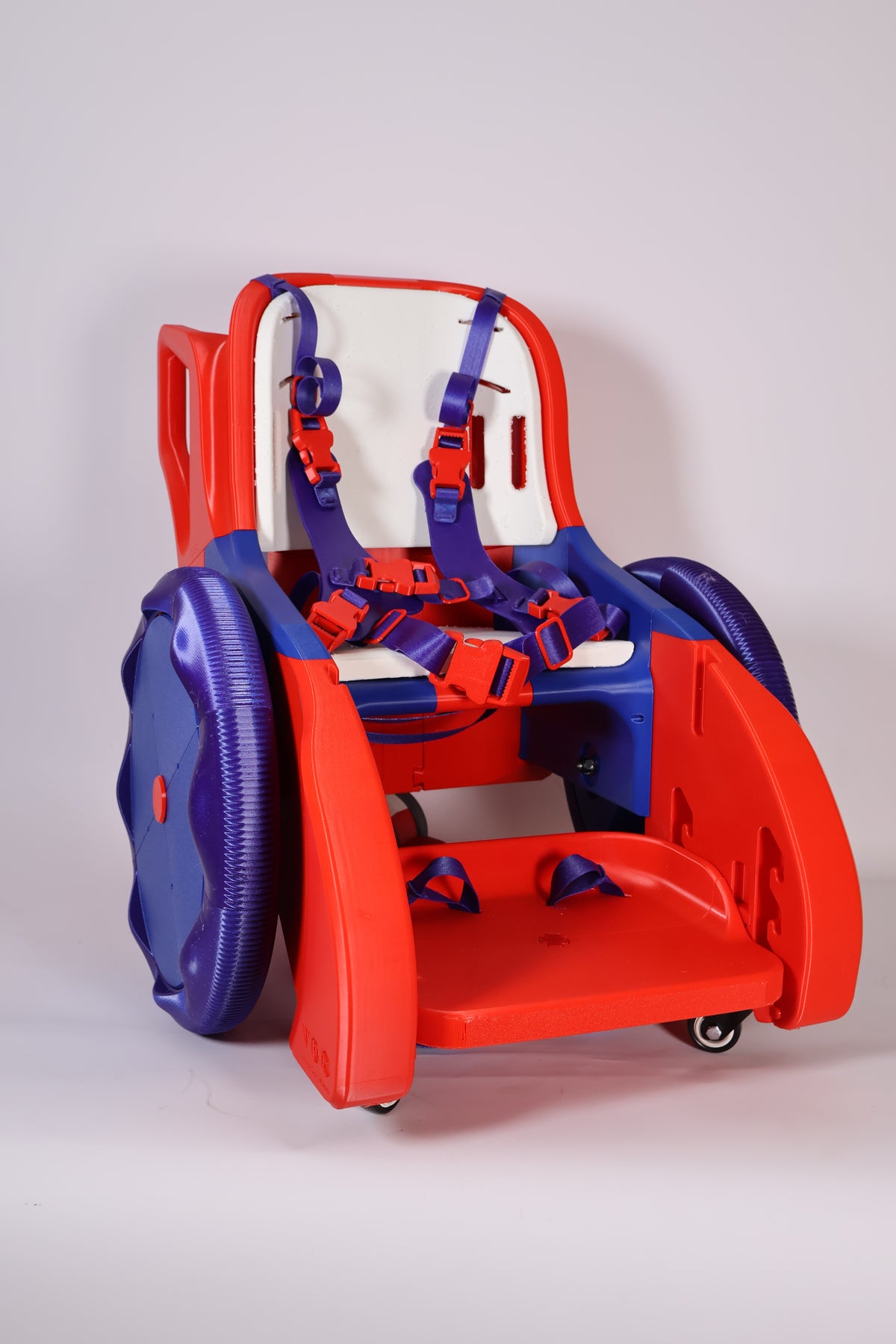
Nick has joined MakeGood’s maker program, bringing his interest in accessible design and 3D printing to community service.
MakeGood connects families with vetted volunteer makers who build custom 3D-printed Toddler Mobility Trainers. Devices provided through its volunteer matching program are free for requesting families.
Nick plans to contribute as a volunteer through the program. Visit MakeGood to learn about family requests, maker approval, and current availability. This community initiative is separate from the shop’s paid printing services.
Products are fabricated to customer-provided specifications. No therapeutic or medical outcomes are promised. Each design needs review for fit, breakage, sharp edges, small parts, mouthing, material limits, and cleaning. Some products intended for children may require testing or certification before sale. Do not send student names, IEPs, or other sensitive records with a quote request.
Use the existing quote form to describe what you need. Choose “Design & print” and include only the product details necessary for review.
Start a custom quote